
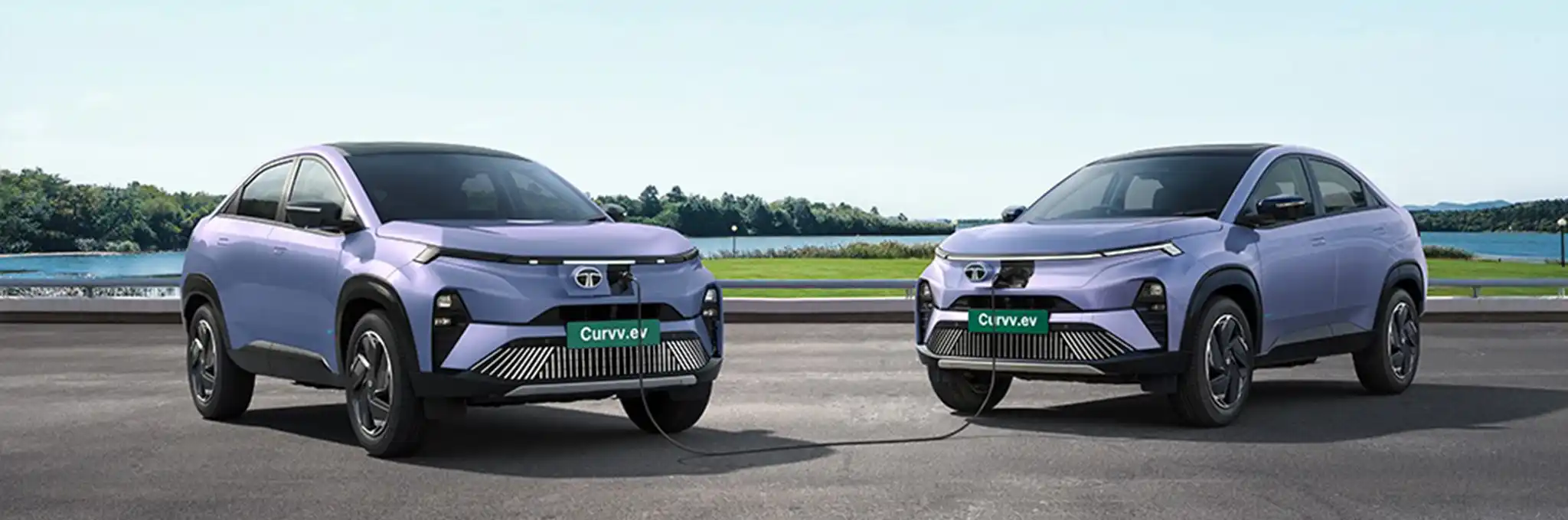
Electric vehicles are becoming an increasingly common sight on Indian roads. Improvements in battery technology, expanding charging infrastructure, and growing awareness of sustainable mobility have made EVs a practical choice for many drivers. Whether you’re looking to reduce your fuel expenses, lower your environmental impact, or simply experience a different way of driving, it’s important to understand both the pros and cons of electric cars before making the switch.
While electric vehicles offer several advantages, such as lower running costs and reduced maintenance, they also come with considerations like charging time and route planning. Understanding both sides of the ownership experience can help you decide if an EV is the right choice for your lifestyle.
A common misconception is that electric vehicles are expensive to maintain. In reality, the electric vehicle maintenance cost is generally lower than that of conventional petrol or diesel vehicles.
Because EVs have fewer moving mechanical parts, owners do not need to worry about:
Routine servicing usually includes:
Battery health is an important aspect of long-term ownership, and manufacturers such as Tata Motors provide comprehensive battery warranty coverage, giving owners added peace of mind.
One of the biggest concerns for prospective buyers is charging. The good news is that the network of EV charging stations in India has expanded significantly in recent years.
Today, charging facilities are available across:
Electric vehicle owners typically have three charging options:
For many city users, charging at home overnight is sufficient to meet their daily driving requirements.
The pros and cons of electric cars should be evaluated based on your driving habits, charging accessibility, and ownership expectations rather than common misconceptions.
Lower electric car running cost, reduced electric vehicle maintenance cost, and the continued expansion of EV charging stations in India have made electric mobility more practical than ever before. At the same time, understanding charging requirements and real-world driving range helps set realistic expectations for ownership.
Whether you’re purchasing your first EV or upgrading from a conventional vehicle, taking the time to understand both the advantages and practical considerations will help you make a confident and informed decision.
Electric vehicles offer lower running costs, reduced maintenance, zero tailpipe emissions, smooth acceleration, and a quieter driving experience compared to conventional petrol or diesel vehicles.
No. The electric vehicle maintenance cost is generally lower because EVs have fewer moving parts and do not require routine services such as engine oil changes, spark plug replacements, or clutch maintenance.
Yes. The number of EV charging stations in India continues to grow, with charging points now available across major cities, highways, shopping centres, office complexes, hotels, and residential communities.
The electric car running cost depends on factors such as electricity tariffs, driving habits, charging methods, battery efficiency, and the distance travelled. For many drivers, it is lower than the fuel cost of an equivalent petrol or diesel vehicle.
You can visit Malik Auto World, an authorised Tata Motors dealership, to explore Tata's electric vehicle range, compare models, understand ownership costs, and book a test drive.